Signs Water-Damaged Drywall Should Be Replaced Right Away in Huntington, NY
If a leak, storm, or burst line soaked your walls or ceilings, you may be wondering if a quick patch will do. In many Huntington homes, the safest and cleanest result comes from replacing the sections that got wet, not hiding them. If you spot the red flags below, talk with a pro about drywall repair that focuses on long-term stability and a smooth, paint-ready finish.
Local weather swings, coastal humidity, and older framing styles across neighborhoods like Huntington Station, Halesite, Greenlawn, and Dix Hills can speed up damage inside the gypsum core. That is why homeowners who search for drywall water damage repair in Huntington, NY often need more than stain blocker. Here is how to tell when replacing wet drywall is the smart call.
Why Water-Damaged Drywall Fails Faster On Long Island
Drywall is paper on the outside and gypsum in the middle. When water sits in that sandwich, the paper delaminates and the core loses strength. Even if the surface dries, the panel may stay weak, powdery, or wavy, which shows through paint and makes finishes fail sooner.
Around Huntington and the North Shore, these local factors make matters worse:
- Nor’easters that push rain sideways into window returns and soffits
- High summer humidity that slows drying inside wall cavities
- Older baths and basements in areas like Melville and Centerport where ventilation is limited
- Attic condensation in cold snaps that drips onto ceiling drywall
When the gypsum core breaks down, patches often telegraph under light and seams shadow across the room. That is why replacement beats cosmetic fixes in many cases.
Clear Signs Your Water-Damaged Drywall Needs Replacement
Sagging or Bulging Ceilings
Ceilings carry gravity. If you see a dip between joists, a soft bubble, or screw heads pulling through after a leak, the panel likely lost its strength. Ceiling sags are a safety risk and should be addressed by a pro before they open or fall.
Soft, Spongy Walls Near Baseboards
Press lightly along the bottom 12 to 18 inches after a dishwasher, laundry, or sump issue. If it feels soft or the paper face crumbles, the core is compromised. In basements from Cold Spring Harbor to Elwood, this is common after heavy rain or a high water table event.
Peeling Tape, Cracks, or Shadow Lines That Return
Moisture weakens joint compound and tape. If seams keep flashing back after paint, or hairline cracks grow near outside corners, the panel around that seam may be too weak to hold a clean finish.
Brown or Yellow Stains That Keep Spreading
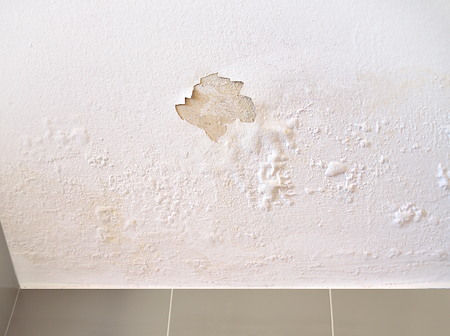
Stains that widen over days or reappear after primer point to an ongoing moisture source or gypsum wicking. Painting over the mark does not fix the damaged core. Never paint over a water stain to “seal” active moisture. You will trap the problem and see it return.
Musty Odors or Visible Mold Spots
Persistent musty smells, black or green speckles, or gray blotches can mean moisture lingered behind the paper. Bathrooms, laundry rooms, and closets in Greenlawn and Huntington Station see this most. Replacing affected sections lets a pro verify framing is dry and safe before closing the wall.
Multiple Patches in One Room
When a wall turns into a quilt of past patches, texture and light rarely match. Large, water-touched areas usually look better and last longer when replaced as one clean surface.
It Stayed Wet More Than 24–48 Hours
Timing matters. Replace any drywall that stayed wet for more than 24–48 hours, especially in shaded or enclosed areas where drying is slow. That window helps limit odor, hidden mold risk, and ongoing softness in the core.
- Active or recent ceiling sag after a roof, bath, or attic leak
- Soft spots at baseboards or under windows that give under light pressure
- Stains that grow, musty smells, or tape peeling months after a “fix”
What a Pro Checks First in Huntington, NY Homes
Before any panel comes down or goes back up, a seasoned crew verifies the area is dry and sound. That review usually includes moisture readings in the drywall and framing, checks around window returns after nor’easters, and a look inside cavities that got wet.
In places like Halesite and Centerport where wind-driven rain is common, technicians also inspect exterior details that feed interior leaks. Confirm the leak is fixed and the cavity is dry before closing the wall. That simple step protects the new panels and keeps finishes even across the room.
Repair vs. Replacement: How Pros Decide After Water Damage
Both approaches have a place. Targeted repairs are best for small, shallow stains where the paper face and gypsum are still strong, and the source was short-lived. Replacement is safer when the surface feels soft, the ceiling sags, stains return after primer, or odors persist.
If you want a deeper dive into choosing replacement for worn or damaged panels, this article on signs you need new drywall explains why whole sections can deliver a cleaner, longer-lasting finish under natural light.
Ceilings Need Special Attention
Water finds the lowest point, which is often a ceiling recess or seam line. Homes from Dix Hills to Melville commonly show circular rings around recessed lights or long dips between joists after bath or roof leaks. Because weight and gravity work against damaged ceiling panels, pros tend to replace rather than patch once sagging or softness appears.
After Replacement: Steps That Help Prevent Mold and Repeat Damage
Your new panels deserve a dry, healthy cavity and consistent airflow. While every home is different, pros typically focus on:
- Dry framing and insulation confirmed by readings before finishing
- Moisture-resistant panels in baths and basements where appropriate
- Sealing penetrations so conditioned air stays where it belongs
- Even light and texture work, so repairs disappear in raking light
If adjoining rooms are part of a remodel, blending new panels with existing spaces can improve light quality and surface flatness across the whole area. For upgrades that go beyond repairs, see how drywall installation supports smooth, consistent results throughout a space.
Real-World Clues Huntington Homeowners Notice First
Everyday hints often point to hidden water damage. Look for faint “shadow” seams across a living room wall at sunset, a soft corner near a shower niche, or a hallway patch that keeps flashing under light. In basements, watch the bottom foot of walls after heavy rain. In older capes around Cold Spring Harbor, attic condensation from poor ventilation can stain or soften ceilings near eaves.
These clues save time. Finding them early prevents repainting the same wall twice and helps your contractor decide where selective replacement makes more sense than chasing small patches.
When to Call Apple Drywall in Huntington, NY
If you see one or more of the signs above, it is time to talk with a local specialist who understands North Shore weather and how light reveals flaws on finished walls. Our team at Apple Drywall focuses on clean protection, smart sequencing, and smooth finishes that stay even over time. For water incidents, we verify dryness first, then recommend targeted repair or safe replacement. You can learn more about our approach to drywall repair and how we return rooms to a calm, even look.
Replacing the right sections now protects your paint job, helps avoid musty odors, and brings back crisp corners and flat ceilings. If a recent leak affected a larger area or an adjacent remodel is planned, we coordinate finishing so the entire space reads as one surface. Many Huntington homeowners start at our home base because they are searching for drywall water damage repair in Huntington, NY and want a local, accountable crew.
Ready for walls and ceilings that look brand new again? Contact Apple Drywall at 516-222-7023 to schedule your review, or explore how full-room finishes can benefit from expert drywall installation. When you need ceiling stains gone and surfaces true, our licensed team is here to help with fast response and careful craftsmanship.
Get A Free Quote
Our Services
-
Drywall Installation
Learn More About Drywall Installation -
Drywall Repair
Learn More About Drywall Repair -
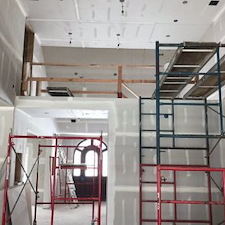
New Construction Drywall
Learn More About New Construction Drywall -
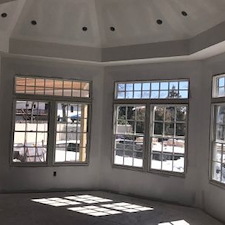
Renovation Drywall Services
Learn More About Renovation Drywall Services
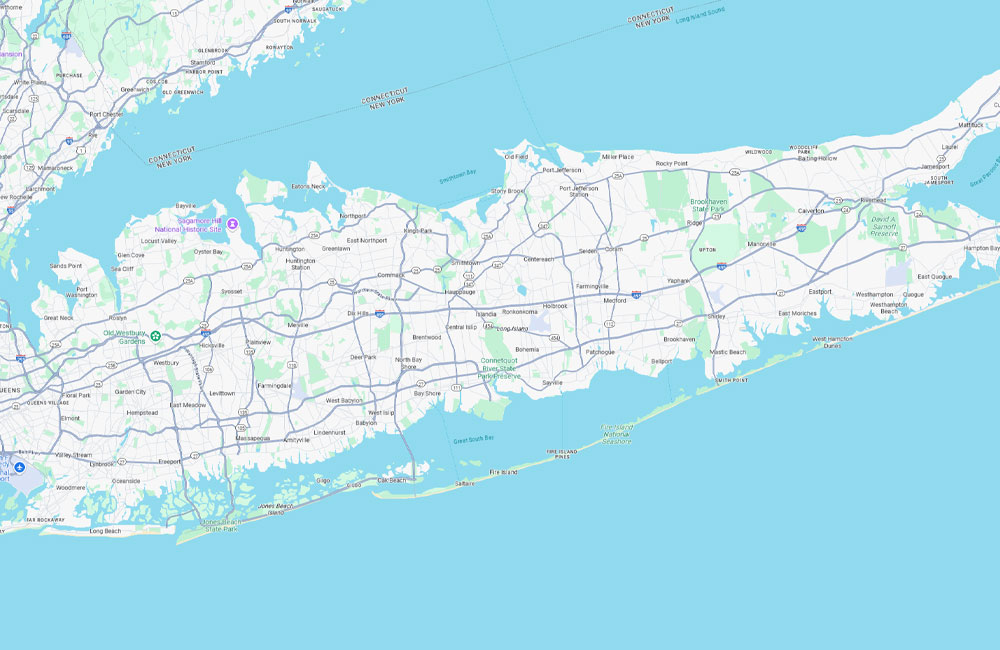
Our Service Areas
As a reliable drywall contractor based in Long Island, Apple Drywall proudly serves homeowners, builders, and businesses across Suffolk County and surrounding areas. Whether you're located in a bustling neighborhood or a quiet residential community, our team is ready to deliver professional drywall services wherever you need us. From small patch jobs to full drywall installation in new constructions, we bring expert craftsmanship and dependable service to every project—no matter the location.
We proudly provide services to the following areas in New York: