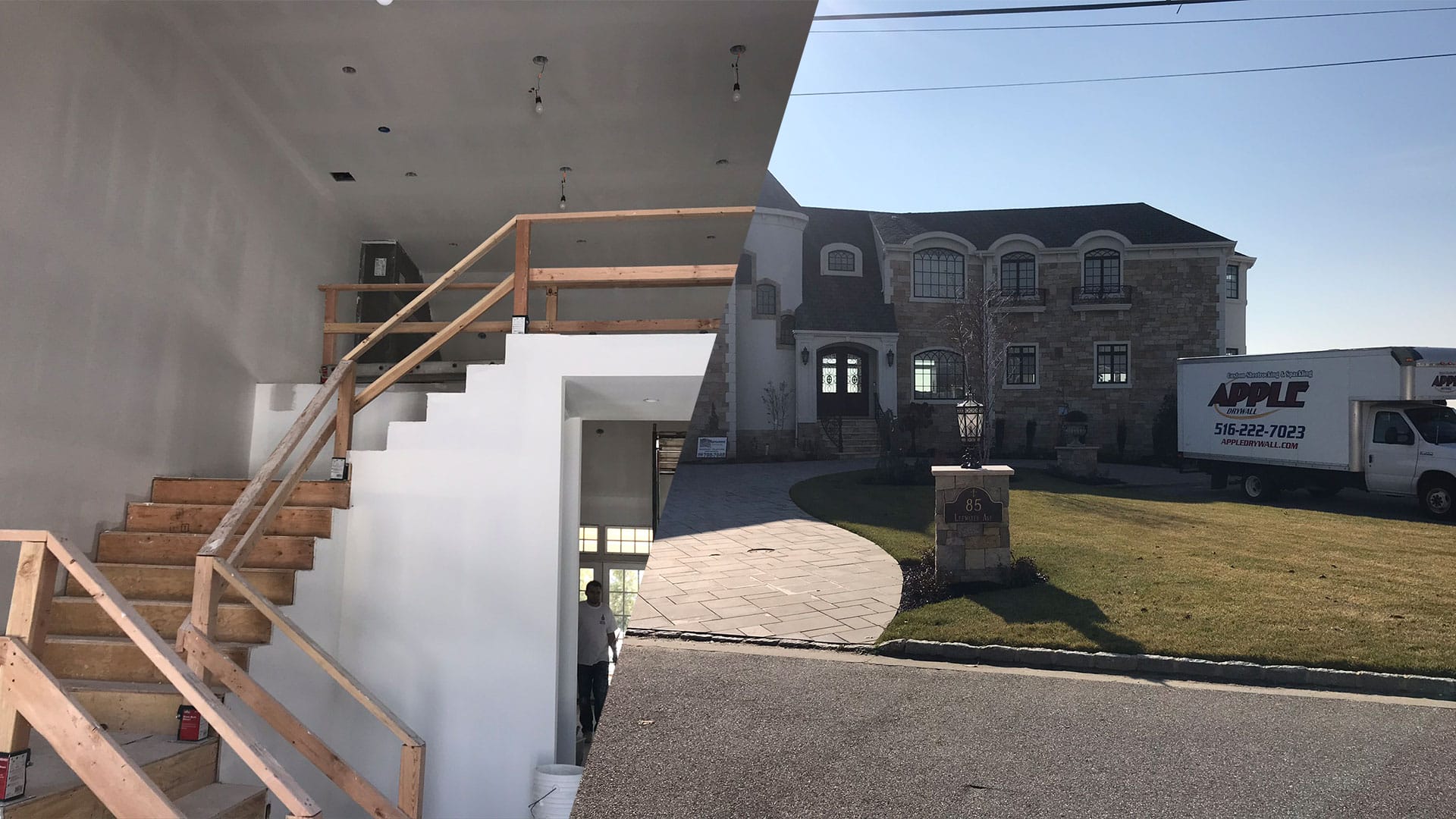
7 Signs Your Islip Home Needs New Drywall, Not Just a Patch
If you are seeing cracks, stains, or soft spots on walls and ceilings, you might be wondering if a simple patch will hold. Sometimes it will. Other times, new drywall is the safer and cleaner fix. Here is how to tell the difference for homes in Islip, NY, and when to talk with a trusted drywall contractor about drywall installation and replacement.
Why New Drywall Is Worth It In Islip, NY
Drywall does a lot more than hold paint. It hides wiring and insulation, acts as a sound barrier, and helps your home feel clean and solid. When moisture, impact, or age breaks down the gypsum core or paper face, patches can fail again. New panels restore strength, create a smooth finish, and cut down on recurring repairs that add up over time.
Homes in West Islip, East Islip, Islip Terrace, and nearby Bay Shore see salt air, damp basements, and windy storms. Those conditions can push an old patch past its limit. Fresh material installed by Apple Drywall gives you a clean slate that looks better and lasts longer.
Sign 1: Widespread Water Damage
Brown rings, sagging seams, or crumbly drywall tell a clear story. Once drywall soaks up water from a roof leak, bathroom overflow, or storm-driven rain, its core loses strength. You can paint over a stain, but that does not rebuild the panel beneath. If drywall stayed wet for more than 24–48 hours, replacement is safer.
- Look for soft, spongy spots along the bottom 12–18 inches after a basement leak.
- Check ceilings under bathrooms and around recessed lights for hairline cracks and shadowed stains.
- Smell for musty odors in closets and corners that took on moisture.
When damage covers a large area or involves insulation behind the wall, a patch becomes a bandage. New drywall restores a flat plane and lets a pro confirm framing and insulation are dry before closing the wall.
Sign 2: Soft Spots, Sagging, or Bulging Panels
Press lightly with your knuckles. If the surface gives, the paper face may have separated from the gypsum core. Sagging ceiling panels between joists are another giveaway in older homes or rooms with poor ventilation. In these cases, patches often telegraph and seams keep flashing through paint. Replacement with the right thickness and proper fastening brings back a crisp, stable surface.
Sign 3: Deep Cracks That Return After Patching
Hairline cracks near corners are common and can be patched. Long, diagonal cracks that reappear after paint are different. They usually signal movement, moisture changes, or compromised panels. If skim coats and tape repairs keep failing, it is more cost-effective to remove the weak sections and install new sheets that bridge the area cleanly.
Sign 4: Persistent Mold or Musty Odors
Black, green, or gray spotting that creeps back after cleaning points to ongoing moisture or hidden growth in the paper layer. Bleach on drywall does not remove mold within the paper core. When stains return or odors linger, the safest path is to replace the affected drywall and correct the moisture source. Many Islip basements and first-floor baths benefit from moisture-resistant panels in trouble spots.
Sign 5: Multiple Large Repairs in One Room
If one wall has three or more patches, you will likely notice texture differences and unevenness under light. It is like a quilt of fixes. Large patched areas are hard to blend, especially across sunlight from a south-facing window. Replacing the full panel gives you one uninterrupted surface. You will see the difference the very first time you roll paint.
Sign 6: Outdated or Damaged Ceilings
Ceilings take a beating from condensation, roof leaks, and movement. Popcorn or heavy texture can hide hairline issues until chunks start to loosen. Gravity exposes weak seams and moisture damage fastest on ceilings. If your ceiling shows waves or sag lines, new drywall creates a true plane that reflects light evenly and makes the whole room feel new again.
Sign 7: Fire or Smoke Damage
Even a small kitchen flare-up can discolor drywall beyond cleaning. Smoke residue can lock in odors, and heat can dry out and weaken the gypsum. Smoke and heat can weaken drywall even without visible charring. Replacing those areas helps remove odors and gives paint a reliable base.
How A Local Drywall Contractor Evaluates Your Walls
A careful inspection comes first. A pro will map out stains, check for soft spots, and look at the pattern of cracks. They may use a moisture meter around baseboards and ceilings, then trace the source of any past leaks. The goal is to solve the cause and install new panels only where they will last.
Good communication matters. You should hear which areas are strong enough for a simple repair and which need new sheets. This helps you plan room by room. If you want a second opinion or want to learn more about trusted drywall installation in Islip, NY, start with a quick look at your options and timelines, then choose what fits your home.
Replacement Timeline And What To Expect
Most single rooms take a few days, depending on size and drying time. Here is the typical flow so you know what is coming and can plan your week:
- Protection and prep. Floors and furniture are covered. Vents are masked to help keep dust down.
- Selective removal. Only the weak sections come out unless a full panel replacement makes more sense for a Level 4 or Level 5 finish.
- Installation. New panels are cut, fit, and fastened with the right spacing. Seams are taped and coated.
- Drying and sanding. Thin, even coats dry faster and sand cleaner. A dust-managed approach keeps your home comfortable.
- Final inspection. Joints are checked in natural and artificial light so the finish looks flat from every angle.
After the last sand, the room is ready for primer. Smooth walls make paint cover better and more evenly, so your color shows true without extra coats.
Local Factors In Islip, NY That Wear Down Drywall
Homes near the Great South Bay often see higher humidity. Summer air can push moisture into cool, air-conditioned walls. Winter brings sharp swings in temperature that open seams along outside corners. In crawl spaces and basements, damp air lingers after storms. All of this adds stress to paper-faced gypsum. That is why many homeowners in Islip, West Islip, and East Islip choose replacement in rooms that have a history of leaks or seasonal dampness.
Wind-driven rain from nor’easters can also find weak spots near windows. If you see stains at the top corners of window returns, that is a clue. A pro will check the flashing and sealant outside before closing the wall inside. That step helps your new drywall stay dry and solid.
When A Patch Makes Sense Versus Replacement
Not every mark needs new drywall. Small nail pops, a short hairline at a door frame, or a single screw puncture are good candidates for a simple repair. The key is the size and cause. If you have a golf ball size ding in a hallway with solid surrounding material, patch away. But if the issue came from moisture or movement and the area is larger than a dinner plate, a new section of drywall usually looks better and lasts longer.
Think about the whole room too. In a living room with older, wavy panels and several past patches, fresh sheets may be the fastest path to a smooth, modern finish. In a guest room with one corner crack, a small repair may be the smart call. Your contractor should spell out both options so you choose with confidence.
Why Work With A Skilled Drywall Contractor
Experience saves time and reduces stress. A local crew understands how South Shore humidity, attic ventilation, and window orientation affect your walls. They will recommend the right thickness, fastener pattern, and joint treatment for your home’s framing. That means fewer callbacks and a cleaner paint job.
You should expect clear scheduling, respectful cleanup, and strong communication from start to finish. If you want an upgrade from an orange peel to a smooth finish, say so during planning. The technique and sanding approach change a bit, and a pro will set the plan to hit your goals.
What You Will See And Feel After Replacement
The first thing most homeowners notice is the light. Smooth ceilings and walls bounce light evenly. Rooms feel larger and brighter. Corners look crisp. Baseboards sit tighter. Doors often need fewer adjustments because walls are true. Sound transmission between rooms can improve as well when joints and penetrations are sealed properly before the new panels go up.
Simple Checks You Can Do Today
Walk room to room with fresh eyes. Look at walls from low angles across the surface. That rakes the light and shows dips or humps. Press gently in suspicious areas. Note any musty areas in basements and baths. Take pictures of stains so you can compare after a storm. These small checks help you decide if it is time to call Apple Drywall for a professional evaluation.
Your Next Step In Islip, NY
If two or more signs on this list match what you are seeing, it is worth talking with a pro about new drywall. A short visit can separate simple fixes from areas that need a clean restart. For a smooth, lasting result, learn how drywall installation and replacement would work in your home, then set a time that fits your schedule.
Ready For Clean, Solid Walls Again?
A fresh surface changes how a room looks and feels. It also helps protect your home from daily wear. Reach out to Apple Drywall to review your walls and ceilings, get a clear plan, and book a start date that works for you. Call us at 516-222-7023 or ask about scheduling drywall replacement in Islip, NY with a team that treats your home with care.
Get A Free Quote
Our Services
-
Drywall Installation
Learn More About Drywall Installation -

Drywall Repair
Learn More About Drywall Repair -
New Construction Drywall
Learn More About New Construction Drywall -
Renovation Drywall Services
Learn More About Renovation Drywall Services
Our Service Areas
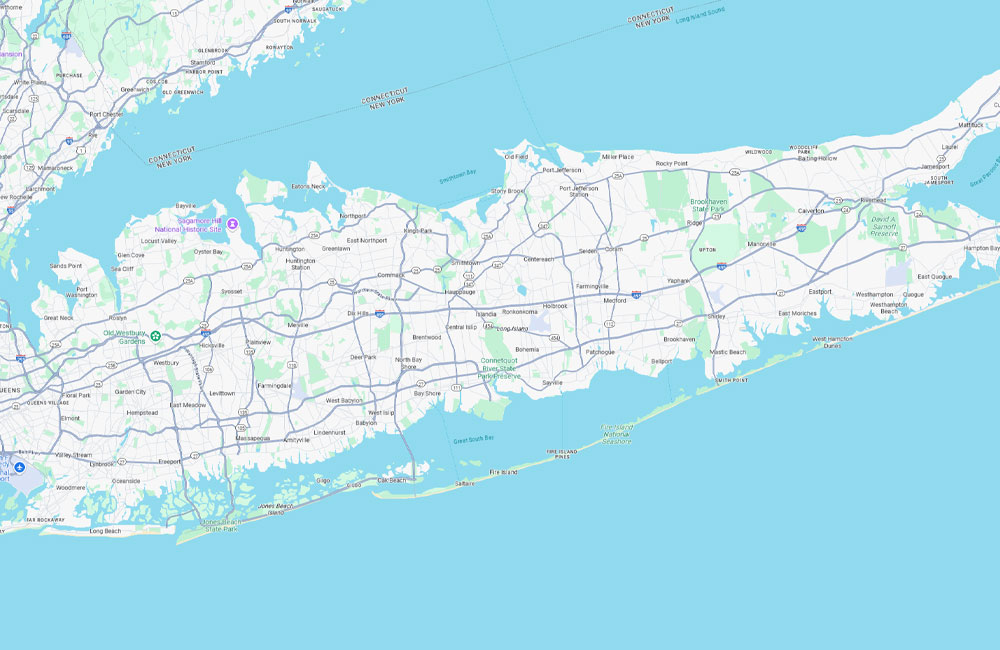
As a reliable drywall contractor based in Long Island, Apple Drywall proudly serves homeowners, builders, and businesses across Suffolk County and surrounding areas. Whether you're located in a bustling neighborhood or a quiet residential community, our team is ready to deliver professional drywall services wherever you need us. From small patch jobs to full drywall installation in new constructions, we bring expert craftsmanship and dependable service to every project—no matter the location.
We proudly provide services to the following areas in New York: